
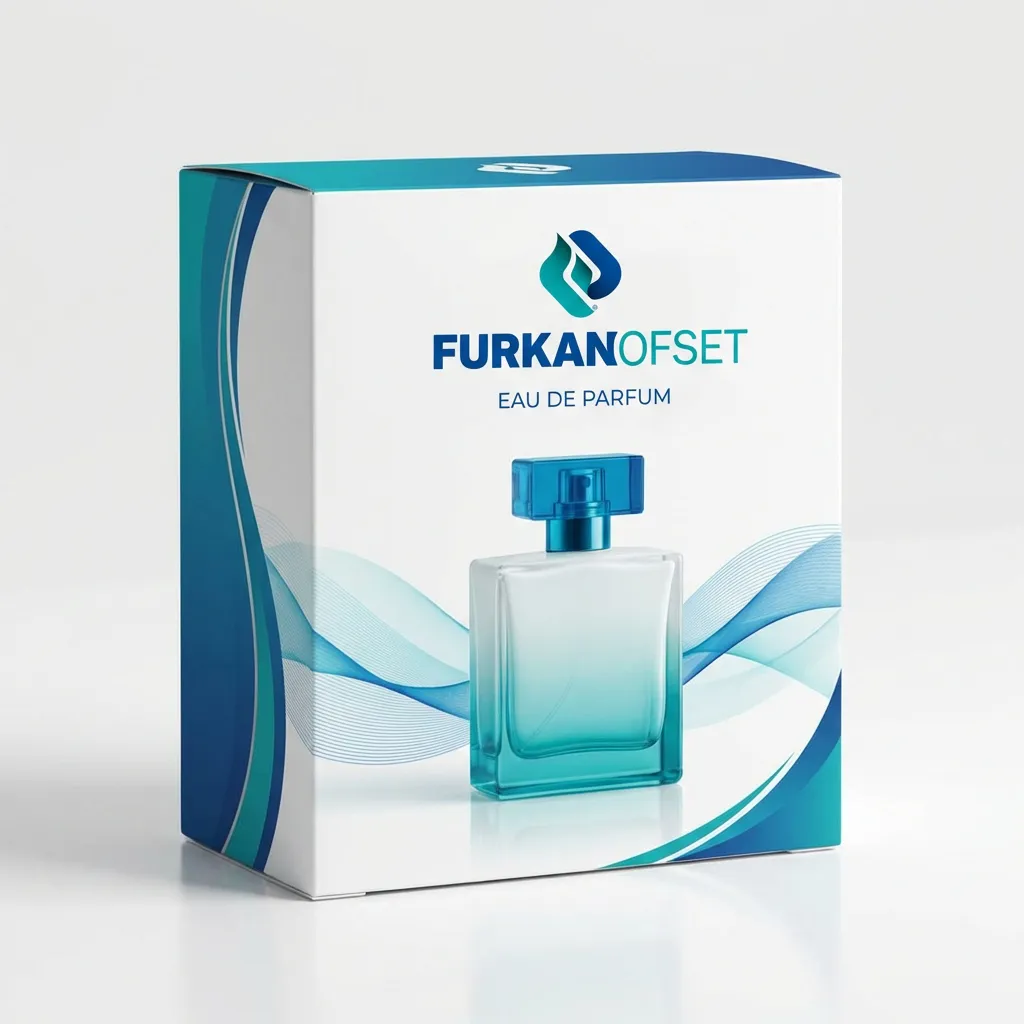
Perfume Box Printing: Structure, Finish and Production Control
Perfume packaging carries high visual expectations, yet its first task is practical. The box must suit the bottle and cap, carry approved information, work within the packing process and retain a surface appropriate to the brand’s position. These decisions should be made as one system. Starting with a premium finish before confirming the bottle and structure can create costly revisions later.
A production-ready enquiry does not begin with a packshot alone. It begins with physical information, intended use and clearly assigned approvals.
Define the bottle and pack configuration
Provide the bottle’s maximum dimensions, shape, cap or pump details and approximate filled weight. Where possible, supply a physical sample or controlled technical drawing. Note whether the product is a single bottle, discovery set, gift combination or range of variants. Identify the destination market, retail or e-commerce channel, quantity, packing location and target launch date.
These inputs help frame whether a folding carton, an internal support or a more presentation-led structure should be explored. Each direction carries different material, assembly, volume and handling questions. A structure should be assessed around the real bottle; an image or nominal volume such as 30, 50 or 100 ml does not define its external dimensions or fit.
Protect space for approved information
Map the information hierarchy before adding decorative effects. The brand and its responsible owner should supply and approve the fragrance name, variant, barcode, symbols and destination-market wording. Protect space for this content across panels, folds and closures. The packaging artwork review can evaluate fit and legibility, but it should not be described as regulatory approval.
Multilingual launches need controlled source text and a separate layout check for each language. Copy length and reading direction can change the balance of a panel. Keep product identifiers consistent, define who approves each translation and review the final artwork on the dieline. Do not reduce essential text at the last moment simply to preserve an earlier composition.
Let one finish carry the premium signal
Foil, embossing, debossing, selected varnish and tactile surfaces can each create emphasis, subject to confirmation for the specific board, artwork, quantity and process. Choose the element that should lead—the brand mark, fragrance name, pattern or opening detail—then allow quieter surfaces to support it. Multiple effects are not automatically more premium.
Use relevant physical samples and an agreed proof route where colour, texture, registration or reflective detail influences the decision. A screen rendering cannot fully represent the printed and converted object. Availability, suitability and tolerance should be reviewed for the actual project, and no finish should be described as environmentally preferable or certified without supporting evidence.
Separate the approval stages
Structure, artwork, product wording and proof are different approvals. Name an owner for each and keep the accepted versions with the Product Blueprint. If an insert changes, recheck bottle fit. If a translation changes, recheck the panel. If artwork changes near a crease or foil area, return it to the relevant production review rather than assuming the previous approval still applies.
The quotation request should include bottle data, proposed box type, any internal-support requirement, material or finish priorities, quantity, markets, artwork status and desired date. If a sample is needed, explain the question it must answer. MOQ, lead time, shipping coverage and material availability remain project-specific until they are confirmed.
Build a controlled route from concept to launch
Premium perfume packaging is the result of disciplined choices: a structure based on the real bottle, a clear information hierarchy, a finish with a defined purpose and a documented approval trail. That discipline also improves procurement conversations because the buyer can distinguish inspiration from an item ready for technical assessment.
Do not use an AI packshot, fictional logo or unapproved customer image as production proof. Use a real, authorised and preferably unbranded material or die-cut detail for editorial illustration, and label concept imagery accurately wherever it appears.
Product Blueprint CTA: Send bottle dimensions, product configuration, market, quantity, artwork status, finish priorities and launch date. Furkan Ofset can review the technical and proofing questions.