
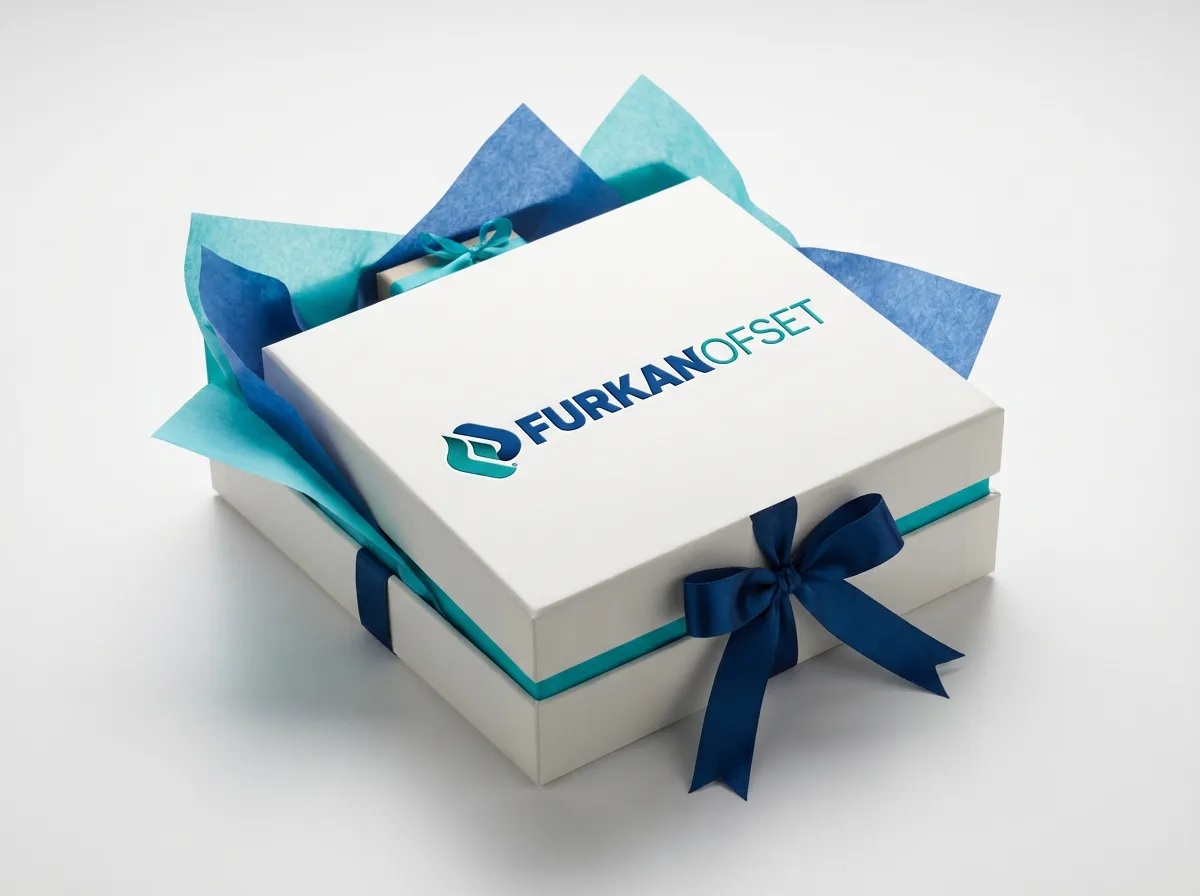
Custom Gift Boxes for Premium Brand Experiences
A premium gift box is part presentation, part packaging system. It creates the first moment of the experience, but it must also hold the intended products, support handling and reach the recipient in a usable condition. A successful brief therefore begins with the contents and distribution route, not with a decorative reference image.
Corporate gifting, retail gift sets, press kits and event packs can look similar on a mood board while requiring different structures. Defining the use case early helps buyers compare relevant options and prevents a visually appealing concept from being treated as production-ready evidence.
Describe the complete product set
List every item, its dimensions and approximate weight, including cards, accessories or protective elements. Explain whether the set is fixed or may change by market, recipient or season. A structure designed around one bottle, notebook or device should not be assumed to secure a later variation.
The distribution route matters as well. Record whether boxes will be filled at another location, handed out at an event, displayed in retail or shipped individually. These facts shape the questions around assembly, insert retention, outer protection and packing. Any claim about protection should follow an appropriate test or review; a presentation sample alone is not a shipping guarantee.
Design the opening sequence deliberately
The opening experience can be mapped as a series of practical decisions. What does the recipient see first? How are the products revealed? Where does a message card or product guide sit? Can each item be removed without damage, and can the set be repacked if needed? Answering these questions gives structure to the design rather than relying on a general idea of luxury.
If an insert is proposed, identify its purpose and the exact items it retains. Confirm whether the components have fragile surfaces, moving parts or orientation requirements. Where the pack includes multiple languages, decide whether information belongs on the box, a removable card or a maintained digital destination. Avoid embedding a fixed campaign year or culturally specific celebration into a master visual unless the programme requires it.
Select materials and finishes after the structure
Premium does not require many effects. A controlled tactile surface, considered edge, foil accent, emboss detail or selected varnish may create a clearer result than several competing treatments. Each option remains subject to confirmation for the real structure, board, artwork and quantity. A rendered logo or AI-generated pack should be labelled as a concept, never shown as a completed Furkan Ofset customer project.
Request a relevant sample or proof when colour, texture, fit or tolerance influences approval. If environmental or certification language is part of the campaign, assign an evidence owner and verify it against the selected materials and process. Generic terms such as “eco-friendly” should not be added to copy without project-level support.
Align procurement and creative approval
The buyer brief should name the owners for content, structure, artwork and proof approval. It should also record quantity, desired delivery date, filling location, target markets and the status of design files. These inputs allow a technical review; they do not establish a guaranteed minimum order, production time or delivery commitment.
Maintain one version-controlled Product Blueprint as decisions change. Note which sample was reviewed, which contents it represented and which artwork version received approval. This is especially important for recurring gift programmes, where a familiar-looking box may hide changes in product dimensions or campaign copy.
Before sign-off, ask the filling or assembly team to review the sequence as well. Their feedback can reveal access, orientation or handling questions that are not obvious in a presentation rendering.
Make the experience repeatable
A memorable gift box is built from an intentional sequence: protect the contents, organise the reveal, control the information and choose finishes with a clear purpose. Documenting those decisions makes it easier for procurement and design teams to evaluate the same object and prepares a more useful quotation request.
Product Blueprint CTA: Send product set, dimensions, distribution route, quantity, artwork status, finish preference and target date for a premium-box technical review.