
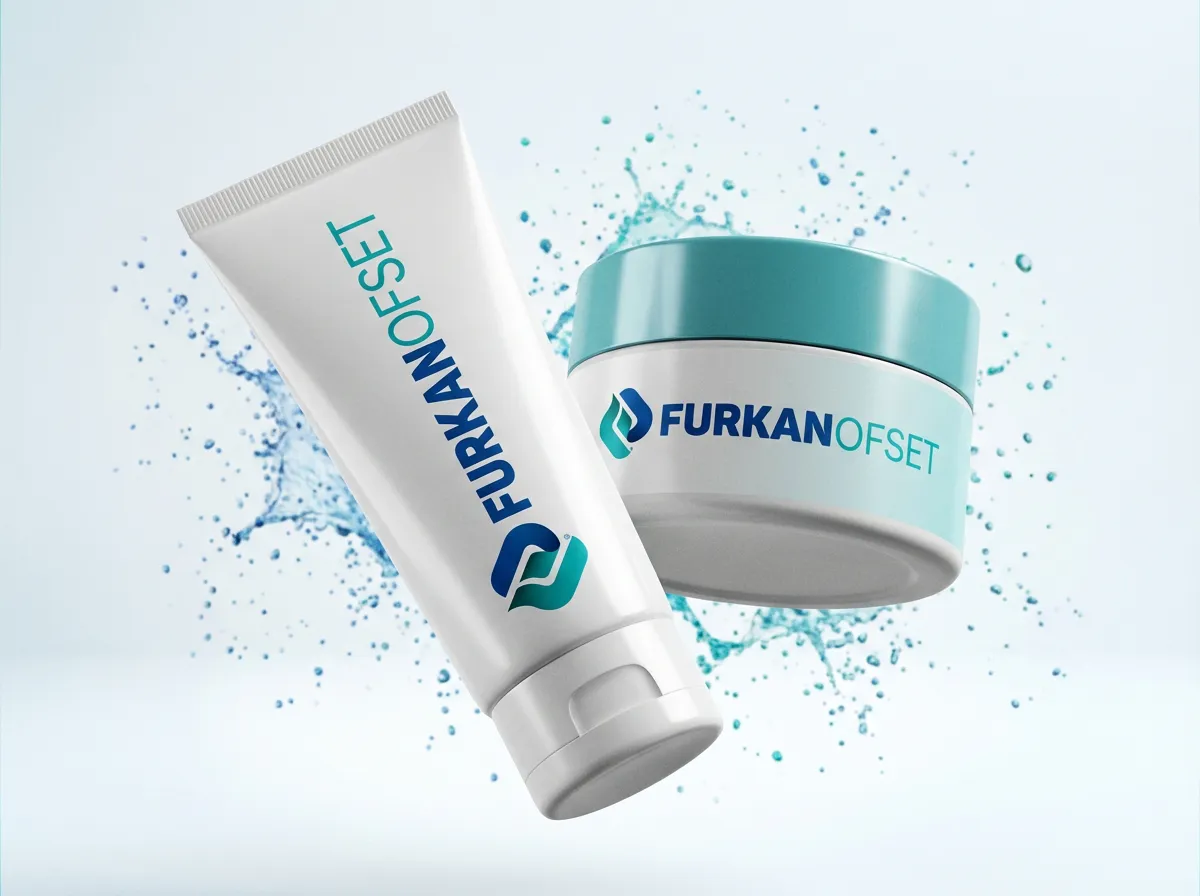
Custom Cream Boxes: Structure, Information and Shelf Presence
A custom cream box has to perform several jobs at once. It should suit the primary container, carry approved product information, support packing and distribution, and create an appropriate retail presentation. These requirements are connected. Choosing a finish before confirming the jar or tube dimensions, for example, can lead to an attractive artwork concept that does not fit a workable structure.
The most reliable starting point is a production brief. It gives procurement, design, product and packaging teams one shared reference and makes unanswered questions visible before they become artwork changes.
Start with the jar, tube or bottle
Provide the exact container dimensions and, where possible, a physical sample or controlled technical drawing. Include the cap, pump or seal rather than measuring only the body. Record the product configuration: one unit, a set, an outer sleeve or a box with an insert. The intended retail channel, destination market, quantity and packing method also affect the questions that need to be reviewed.
Container fit should be assessed for the actual project. A carton that is too loose may allow unwanted movement, while a structure based on an assumed size may interfere with packing. If an insert or support is being considered, define what it must retain and how the product will be inserted and removed. Do not treat an early digital mock-up as a fit test or transport guarantee.
Plan the information before the decoration
Map the content across the dieline before approving visual effects. The brand and its responsible owner should supply and approve the product name, variant, ingredient or responsible-party text where applicable, barcode, symbols and destination-market wording. The packaging workflow can then check placement, panel boundaries and legibility within the proposed structure.
For multilingual cream packaging, allow for different copy lengths from the beginning. A late translation pasted into an approved layout can reduce type size, disturb hierarchy or move information too close to a fold. Keep product codes and approved names controlled across every language, and review each language on the final dieline. Packaging production does not itself certify the legal accuracy of brand-supplied content.
Use finish to support a clear hierarchy
Finish should reinforce the product position rather than compensate for an unresolved layout. A matt surface, foil detail, embossing or selected varnish may be explored, subject to project-specific feasibility and availability. Decide what deserves emphasis—perhaps the brand mark, product name or a single graphic element—and avoid making every panel compete for attention.
Ask for a relevant sample or proof route when colour, texture or registration is important. On-screen previews cannot fully represent physical board, coating, fold lines or reflective effects. Any sustainability, recycled-content, certification or ink statement must be supported for the selected material and process; it should not be copied from a generic product description.
Build approval into the schedule
A useful approval path identifies who signs off structure, product copy, language, artwork and proof. Retain file versions and approval dates so that later variants do not inherit an outdated dieline or text block. Quantity, target date and delivery market belong in the initial enquiry, but they should not be converted into a fixed lead-time or minimum-order promise before technical review.
Before requesting a quote, assemble the container dimensions or sample, preferred carton concept, intended markets, quantity, artwork status and finish priorities. Flag whether a sample is required and what decision it must answer. This produces a clearer conversation than asking for a price based only on a reference photograph.
Make shelf presence the result of good decisions
Shelf presence is not a guaranteed effect of one finish. It emerges from fit, readable information, controlled hierarchy and a surface treatment appropriate to the brand. When those decisions are captured in one Product Blueprint, design ambition and production questions can be assessed together.
Product Blueprint CTA: Share container dimensions, target market, quantity, artwork status, preferred finish and launch timing. Furkan Ofset can review the technical questions before final artwork approval.